
What is Damp Proofing?
Dampproofing is effective as long term prevention to moisture decay. When it comes to walls and foundations, dampproofing prevents moisture and water passing through into interior spaces.
Cause of damp – leaks
Leaks can often be a major cause of damp within a property leading to issues such as penetrating damp and wet rot. Generally, the result of a leak will be localised to one area of a wall. If you notice localised damp patches, check the following:
- Examine downpipes and gutters within the affected area. Is water escaping or are the water management systems faulty leading to the damp issue inside?
- Look for damage, cracks, faulty joints or poor/corroded seals. Is there an obvious fault leading to the water ingress?
- Ensure that your drains and downpipes are not blocked. Rain water can very easily be backed up forcing itself out of a pipe joint within the affected area.
- If the damp is below a flat roof, or a roof channel, check that the felt is sound.
- If the damp is below a window, check the window frame and window sill. Badly fitted windows will let damp penetrate into a room affecting the internal plaster round about the window.
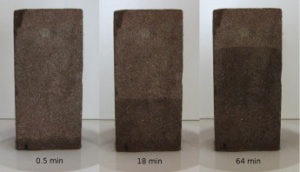 Rising Damp
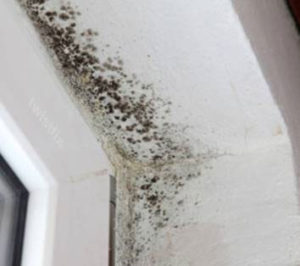 Condensation
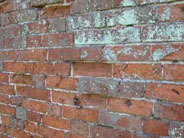 Lateral damp penetration is a cause of penetrating damp; when the external ground level is higher than the building so moisture is able to penetrate the walls. Penetrating damp is usually classed as any kind of water that makes it’s way in from the outside, and can also be caused by missing roof tiles, overflowing gutters, leaking pipes, and other structural problems with the building.